
Why Macular Degeneration Monitoring Matters Even When Your Vision Seems Stable
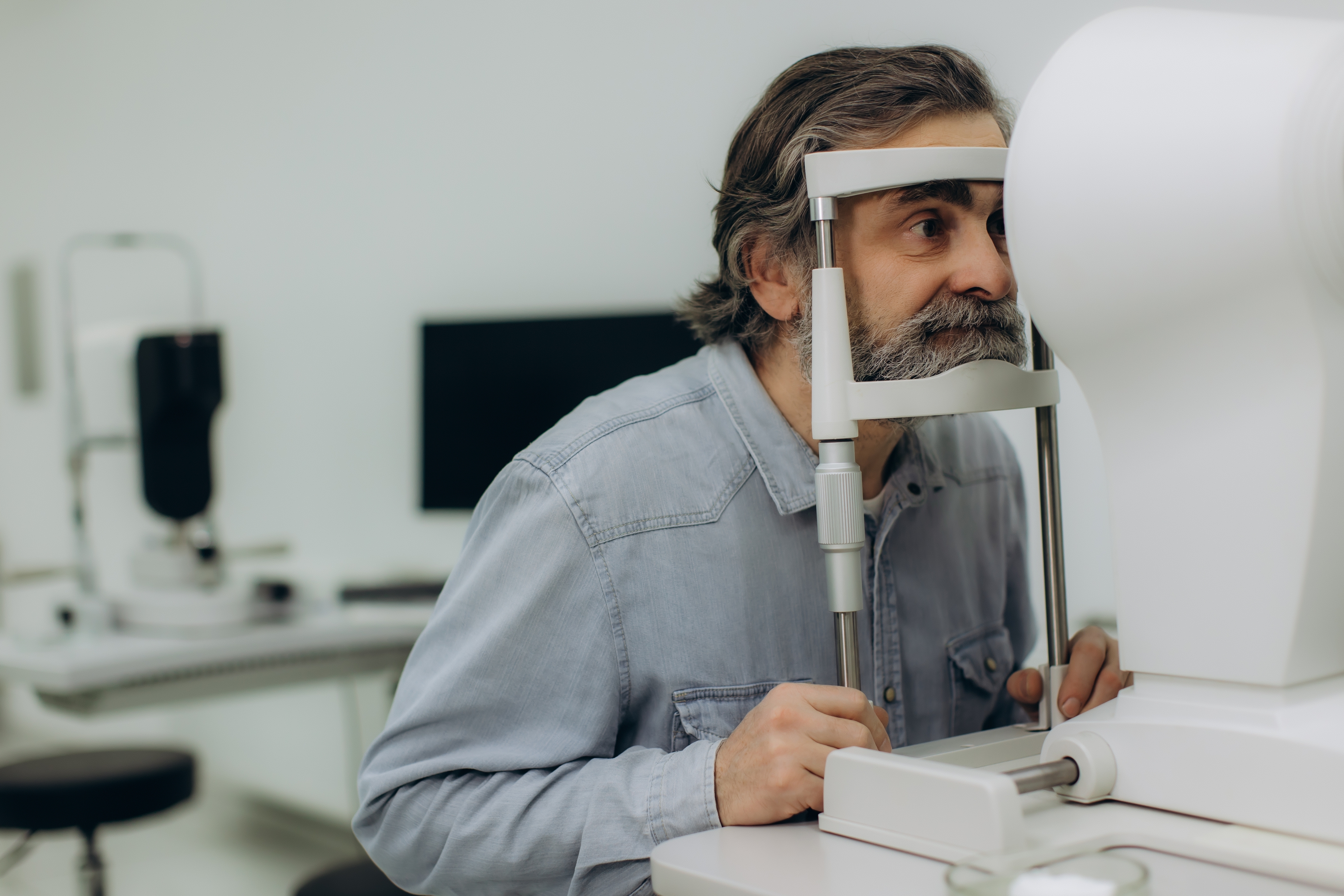
If you've been diagnosed with macular degeneration but haven't noticed any changes in your eyesight, you might wonder whether regular follow-up appointments are necessary. The truth is that macular degeneration can progress without obvious symptoms, making consistent monitoring essential for protecting your vision.
At EyeDocs Family Eye Care in Germantown, we emphasize the importance of ongoing eye care to track changes, assess your eye health, and help you make informed decisions about managing this condition.
Why Stable Vision Doesn't Always Mean Stable Eye Health
Age-related macular degeneration (AMD) affects the macula, the part of the retina responsible for sharp central vision. This area allows you to read, recognize faces, and see fine details.
There are two main types of macular degeneration: dry AMD and wet AMD. Dry AMD generally progresses gradually, while wet AMD can cause more rapid vision changes due to abnormal blood vessel growth beneath the retina.
Even if your vision seems clear, subtle changes may be developing. Some patients with early or intermediate AMD experience little to no noticeable vision loss. Additionally, dry AMD can progress to wet AMD, making regular examinations especially important.
How Regular Macular Degeneration Monitoring Helps
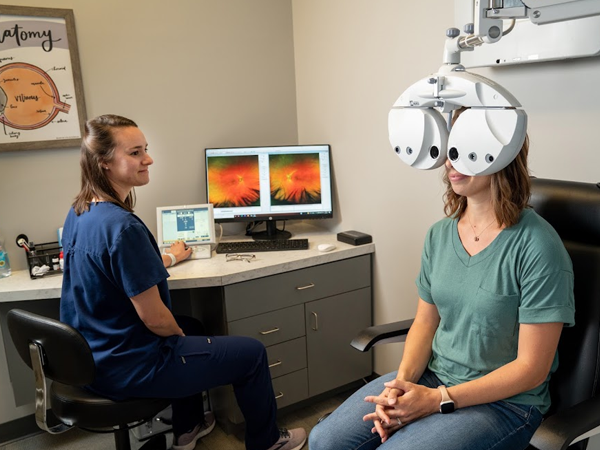
Monitoring macular degeneration allows us to evaluate your retinal health and look for changes that may not yet affect your daily activities. During follow-up appointments, we may perform a dilated eye examination and use retinal photography when appropriate to evaluate the macula. Comparing findings over time helps us assess whether the condition remains stable or requires further evaluation.
Regular monitoring also gives us an opportunity to review your symptoms, discuss risk factors, and determine whether additional testing or specialist care is appropriate.
Although macular degeneration has no cure, certain treatments may slow progression or reduce further vision loss, depending on the type and stage. Identifying concerning changes promptly can help guide timely treatment decisions.
Warning Signs You Should Never Ignore
Between scheduled visits, it's important to pay attention to changes in your central vision. Some symptoms develop gradually, while others may appear suddenly.
Watch for the following warning signs:
• Distorted vision: Straight lines, such as door frames or window edges, appear bent or wavy.
• Blurred central vision: Reading, recognizing faces, or seeing fine details becomes more difficult.
• Dark or blank spots: Missing areas appear near the center of your vision.
• Changes in brightness: Colors appear less vibrant, or you have increasing difficulty seeing in dim lighting.
If you experience sudden distortion, new dark spots, or a noticeable change in central vision, seek an urgent eye evaluation rather than waiting for your next appointment.
How Often Should You Schedule Follow-Up Appointments?
Annual comprehensive eye exams are important for monitoring your overall eye health, but patients with macular degeneration may need additional follow-up visits. The appropriate monitoring schedule depends on your AMD type, disease stage, risk factors, and examination findings. Some patients require more frequent visits than others. Following your recommended appointment schedule is one of the most important ways to stay proactive about your eye health.
Schedule a macular degeneration evaluation with EyeDocs Family Eye Care to prioritize your eye health. Visit our office in Germantown, OH, or call (937) 745-2100 to book your appointment today.
All Eye
Care Services
Keep
In Touch

© 2026 EyeDocs Family Eye Care. All rights Reserved. Accessibility Statement - Privacy Policy - Sitemap
Manage and Designed by:
